
Headshot for Visa and Passport vs Professional: Key Differences Explained
May 9, 2026
Understanding the Purpose of Different Headshots
When it comes to headshots, not all photos are created equal. A headshot for visa and passport purposes serves a very different role compared to a professional headshot used for LinkedIn, corporate websites, or personal branding.
Understanding these differences is crucial to ensure you meet specific requirements or make the right impression. Let’s dive into the distinct purposes, rules, and best practices for each type.
Why Headshots Matter for Identification
A headshot for visa and passport applications is all about identification. These photos are used by government agencies to verify your identity, so they must adhere to strict guidelines to ensure clarity and consistency.
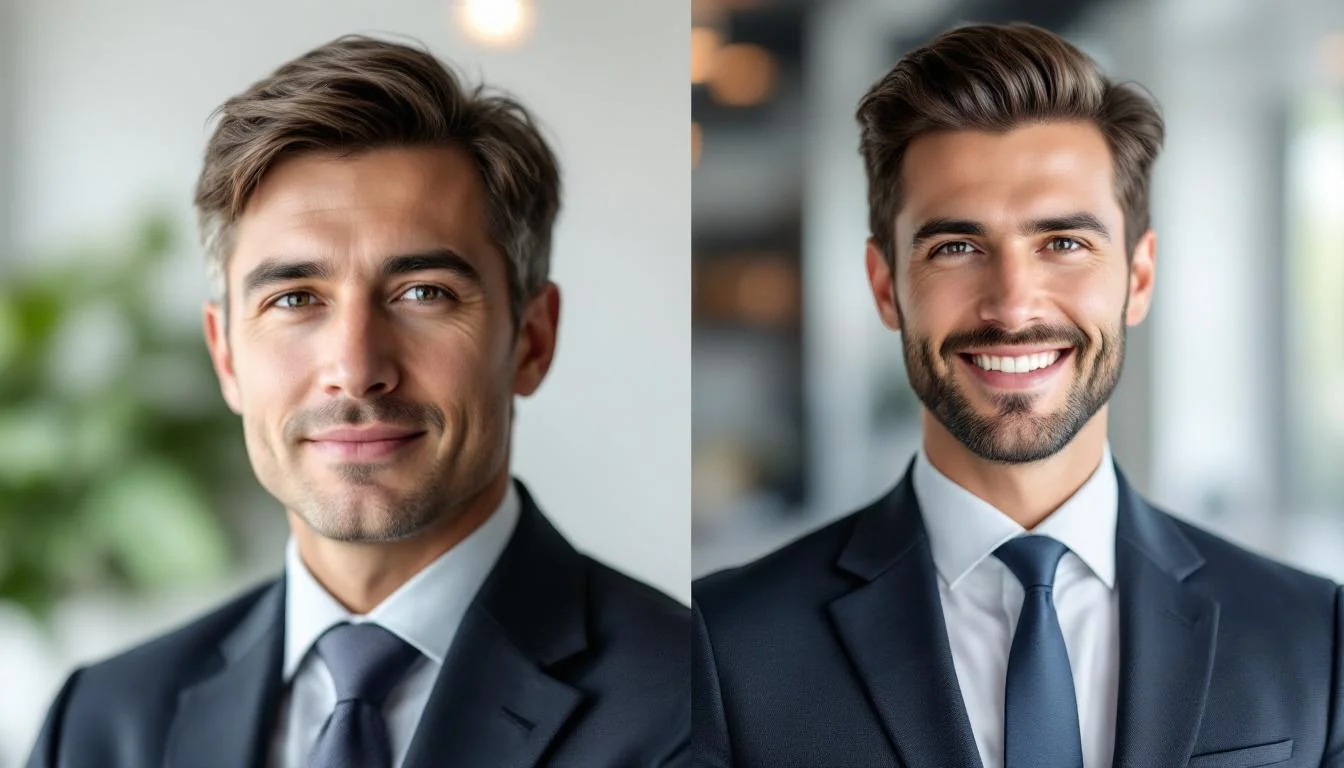
On the other hand, a professional headshot is about showcasing your personality, competence, and approachability. It’s a marketing tool for your personal or professional brand, often used in business contexts.
Key Differences Between Visa/Passport and Professional Headshots
While both types of headshots focus on your face, the rules and expectations for each are worlds apart. Let’s break down the major differences to help you prepare for either scenario.
1. Guidelines and Specifications
Visa and passport headshots come with rigid requirements set by government bodies. These include specific dimensions, background colors (usually white or off-white), and even rules about facial expressions (no smiling allowed).
Professional headshots, by contrast, offer much more flexibility. You can choose backgrounds, lighting, and poses that reflect your personality or industry, whether it’s a corporate look or a creative vibe.
2. Facial Expression and Attire
For identification photos, a neutral expression is mandatory. You must face the camera directly, with both eyes open and no head tilt, while wearing everyday clothing that doesn’t obscure your face.
In professional headshots, a slight smile or a confident look can go a long way in making you appear approachable. Attire is also key—think business suits or smart casual outfits that align with your industry.
3. Usage and Longevity
A headshot for visa or passport is typically used for 5-10 years, depending on the document’s validity. Because of this, you’ll want a timeless look that won’t feel dated quickly.
Professional headshots, however, might be updated every 1-2 years to reflect changes in your appearance, career, or branding. They’re often tailored to specific platforms or roles.
Technical Requirements: A Side-by-Side Comparison
To make the differences even clearer, let’s compare the technical aspects of a headshot for visa and passport vs professional headshots. This table outlines the typical requirements for each.
| Aspect | Visa/Passport Headshot | Professional Headshot |
|---|---|---|
| Dimensions | Strict (e.g., 2x2 inches for U.S. passport) | Flexible (often 8x10 or digital ratios) |
| Background | Plain white or off-white | Varied (solid colors, blurred, or contextual) |
| Expression | Neutral, no smiling | Friendly or confident, slight smile optional |
| Lighting | Even, no shadows | Artistic, can include soft shadows |
Tips for Getting the Right Headshot
Whether you’re preparing for a visa application or updating your professional portfolio, here are some actionable tips to ensure you get the best results. Tailor your approach based on the purpose of the photo.
For Visa and Passport Photos
- Check the official guidelines on government websites, such as the U.S. Department of State for U.S. passports.
- Use a plain background and ensure your face takes up the correct proportion of the frame.
- Avoid accessories like hats or sunglasses unless medically necessary (and even then, provide documentation).
For Professional Headshots
- Dress for your industry—research what’s appropriate via resources like the LinkedIn Learning Blog.
- Work with a photographer or service that understands lighting and posing to highlight your best features.
- Consider using a platform like TopShots.AI, which offers AI-powered professional headshots with over 40 variations in under an hour for just $29.99.
Why First Impressions Matter in Professional Settings
While a visa or passport photo is purely functional, a professional headshot can influence how others perceive you in the business world. Studies show that people form first impressions in as little as 7 seconds, often based on visual cues like your photo.
According to a study by Harvard Business Review, a strong professional photo can increase your perceived competence by up to 20%. Source
This is why investing in a high-quality professional headshot is so important. It’s not just a photo—it’s a tool to build trust and credibility.
Watch and Learn: Headshot Tips from Experts
If you’re still unsure about how to approach your headshot—whether for identification or professional use—visual guides can be incredibly helpful. Check out these expert videos for practical advice.
Final Thoughts: Choosing the Right Headshot for Your Needs
Whether you’re getting a headshot for visa and passport applications or aiming to elevate your professional presence, knowing the differences is key to success. Visa photos demand strict adherence to rules, while professional headshots allow for creativity and personal expression.
By tailoring your approach to the purpose of the photo, you’ll ensure compliance or make a lasting impression—whichever your goal may be. Remember, preparation is everything, so take the time to research and plan accordingly.
Ready to upgrade your headshot?
40+ professional headshots in under an hour. No studio required.
Get Your Headshots — $29.99